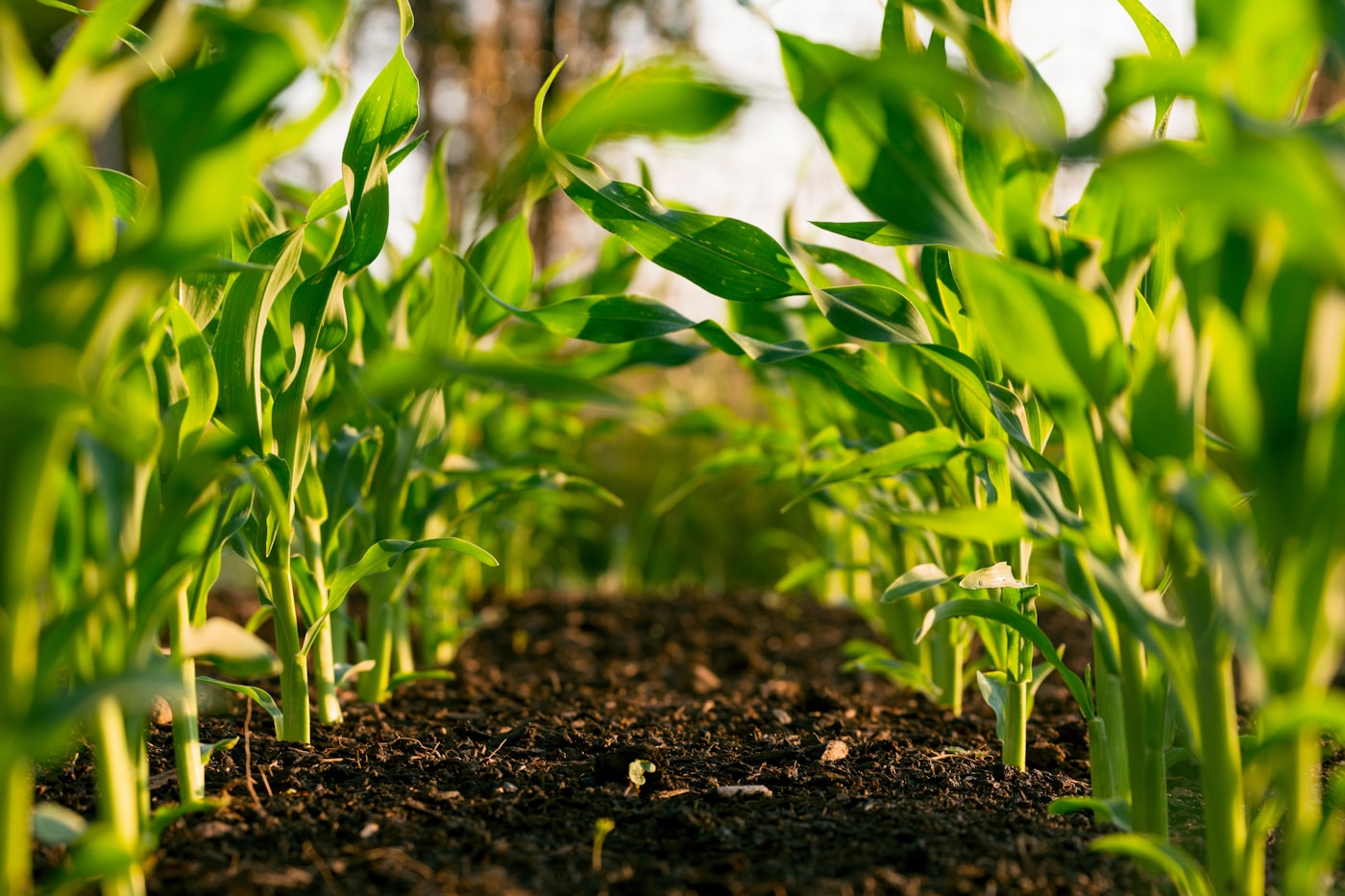
Seasonal yield visit
A walking review of named plots at harvest, with weights, moisture notes, and a written comparison to the previous season.
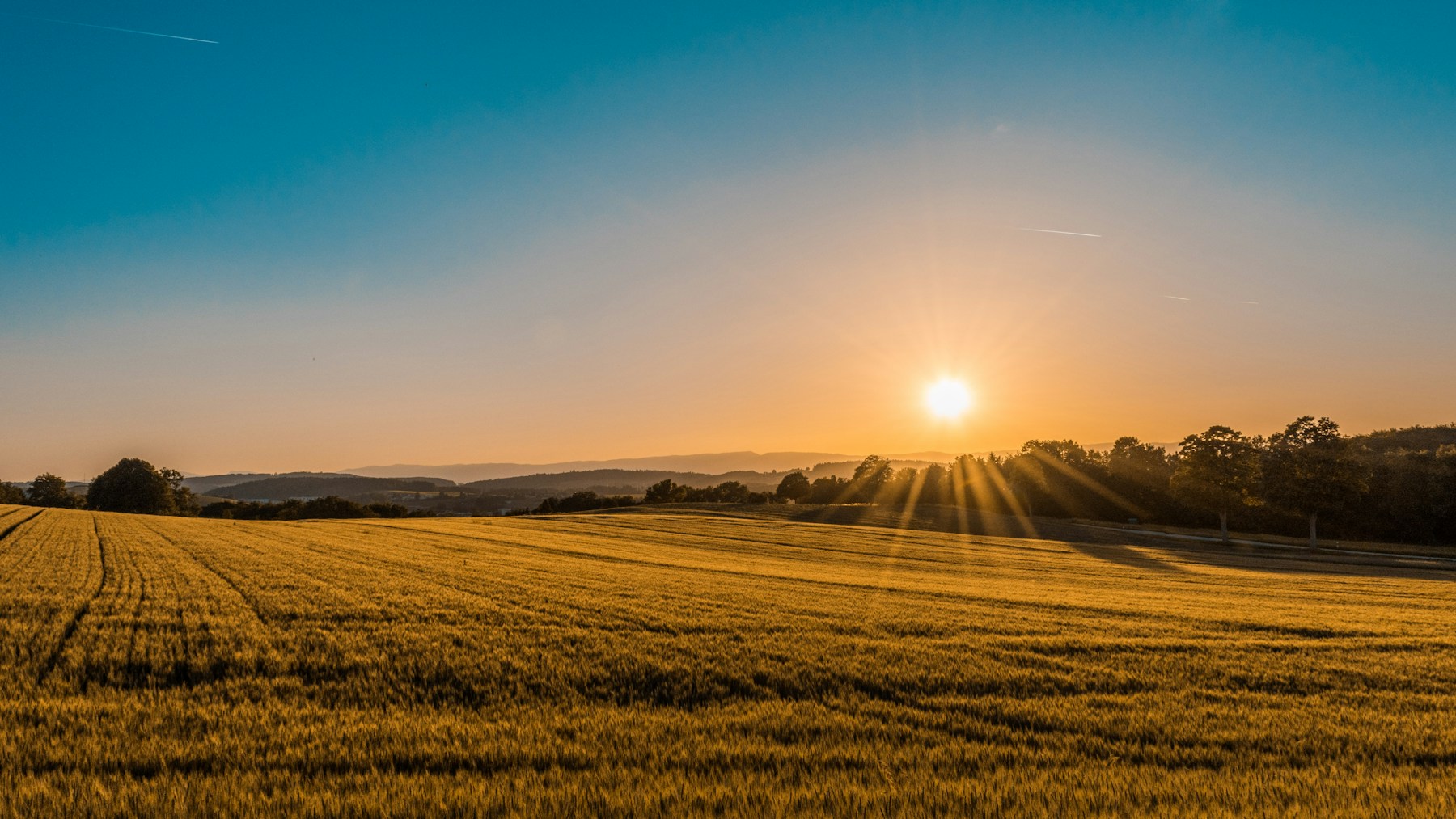
Harvest week, plot by plot
Deploy Centerhub walks named fields at harvest, ties wagon weights to those boundaries, and leaves you a yield note you can keep on paper or in a local tracking utility on a machine you control.
How a yield visit runsA farm-wide tonne figure hides the river strip that lodged and the hill that dried too soon. The work is walking, weighing what you already weighed, and writing it against the names your crew uses.
A walking review of named plots at harvest, with weights, moisture notes, and a written comparison to the previous season.
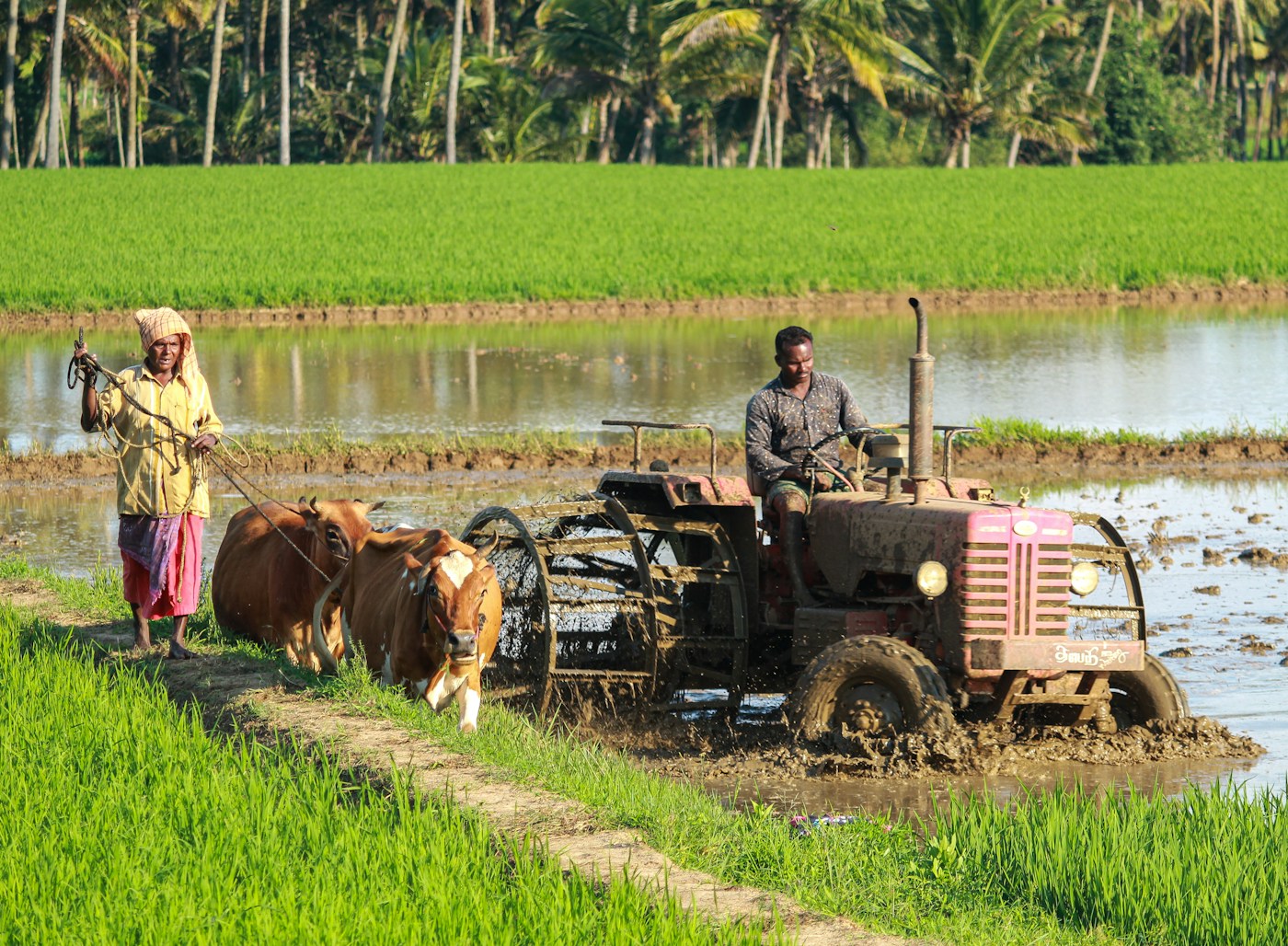
A sit-down after harvest that lines strong and weak plots against weather, sowing date, and what the crew actually saw.

Two adjacent fields, same crop, walked in one morning so differences in stand, lodging, and headland waste are written down together.
Sorting a season of paper tickets, wagon counts, and mixed notebook pages into plot-level totals you can keep locally.
After a visit, the same plot names and weights can be typed into Deploy Centerhub’s local data tracking utility. It is analytical software for record-keeping: harvest dates, moisture written beside loads, and comments from the walk. It does not hold funds, keys, or grain. Availability of that desktop utility is listed with Veve.

Levan wanted three river plots separated from the farm total. The note listed lodging on a west headland he had ignored while the crop was still coming in.
A ticket that says only the farm name cannot tell you whether the river field or the road field filled the wagon.
Two fields can look even on wet tonnes and far apart once you write the dryer readings beside each load.
If you only sample the middle tramline, you will praise a field that lost a strip along every hedge.
Shared bins are common. Pretending you can recover exact plot tonnes from them is not. Here is what still worth writing down.